Submitted by the Greenwich Education Association, Executive board
To the Greenwich Community,
At some point, the question is no longer what teachers are saying. The question becomes whether anyone is listening.
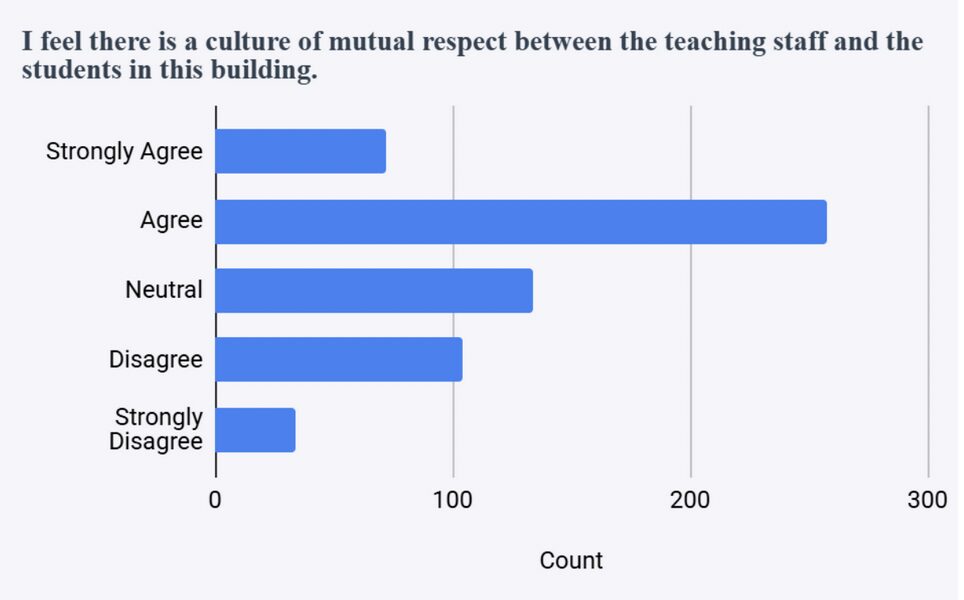
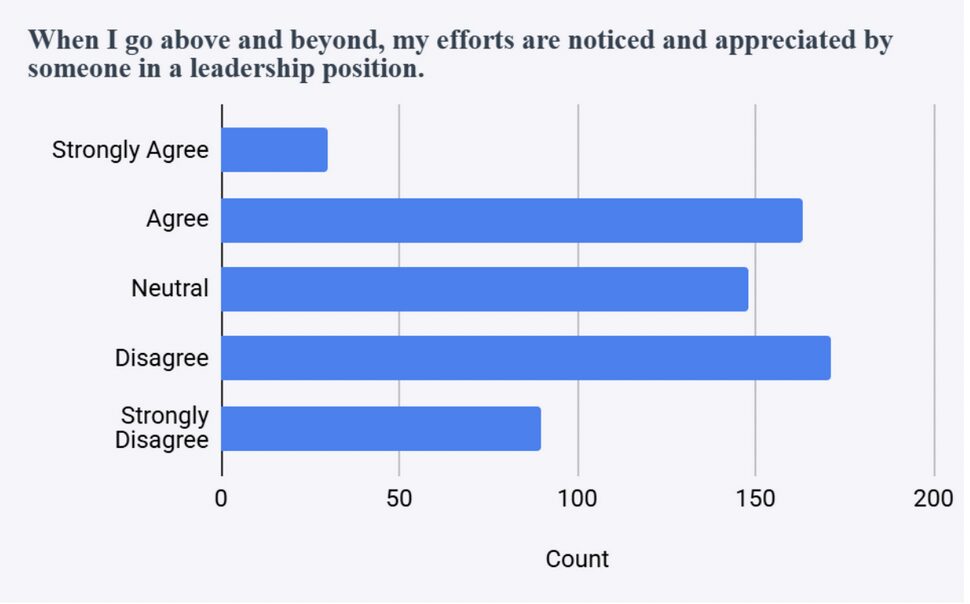
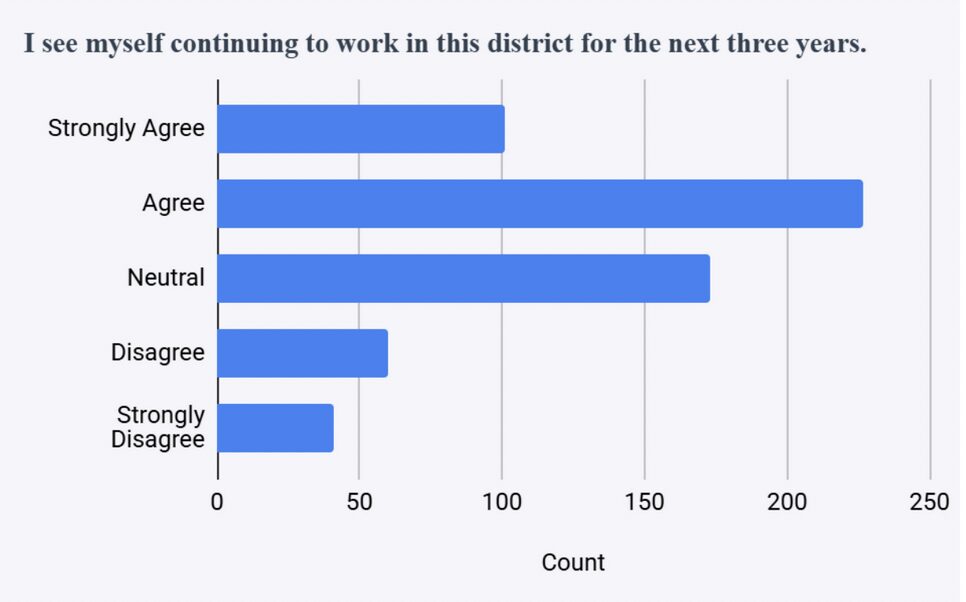
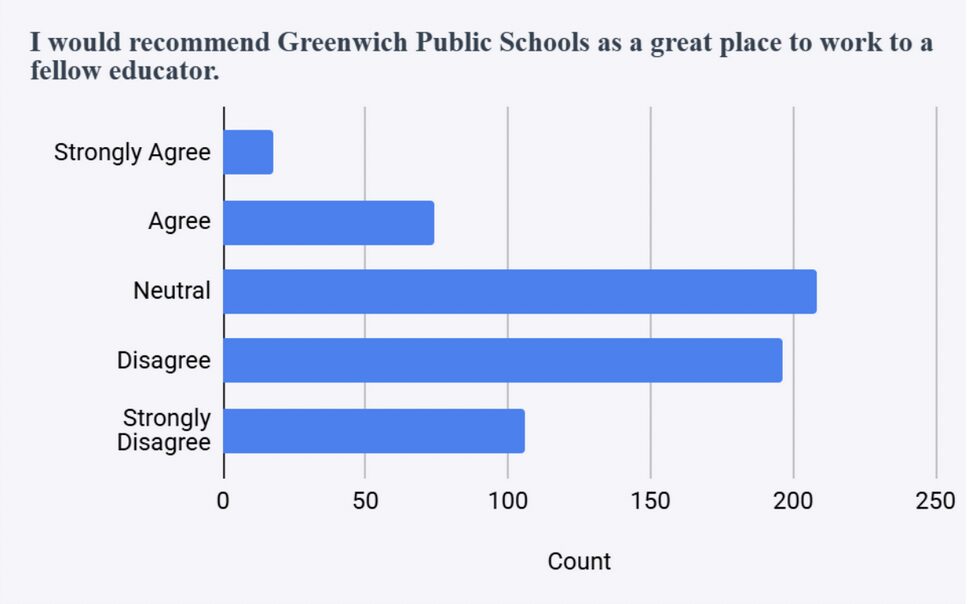
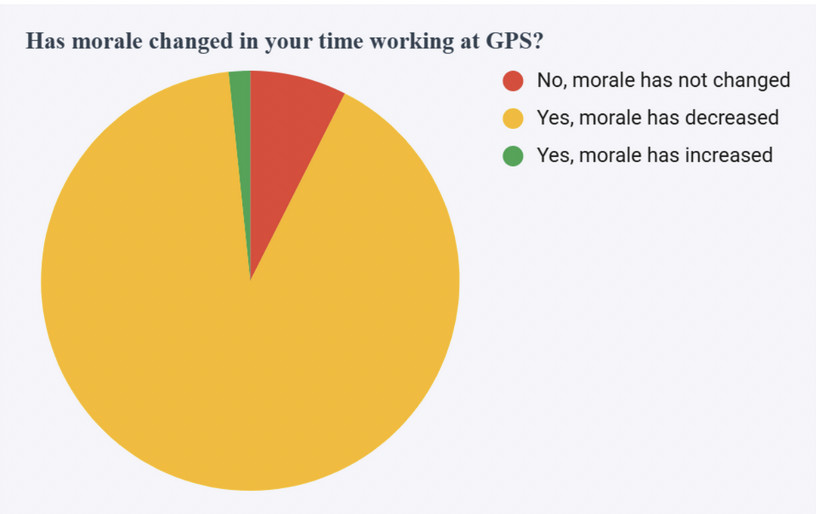
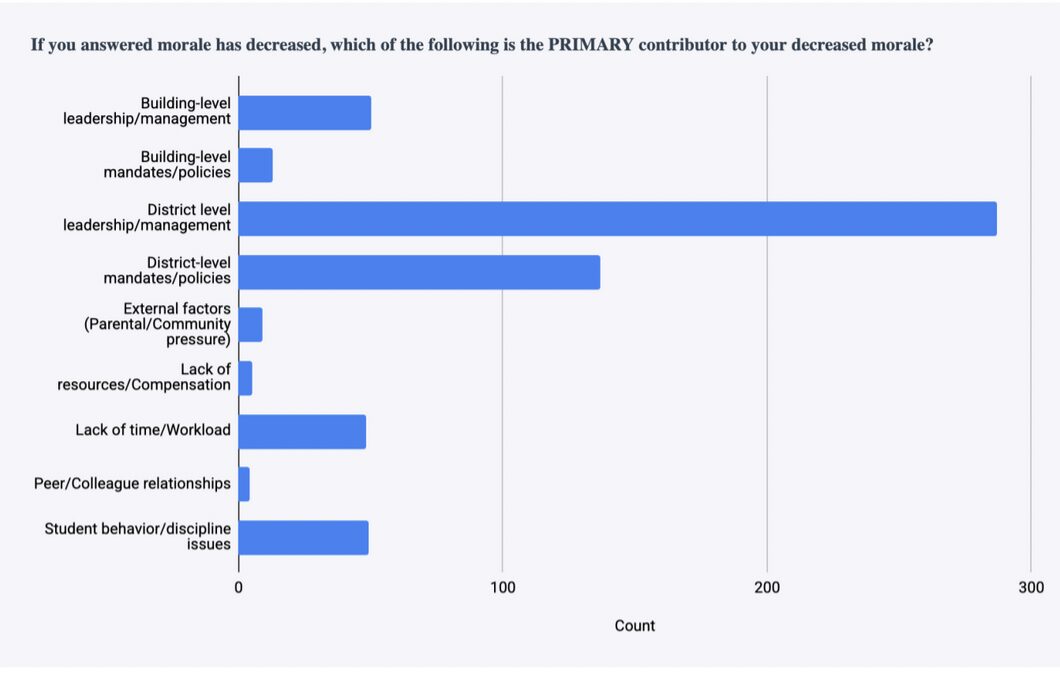
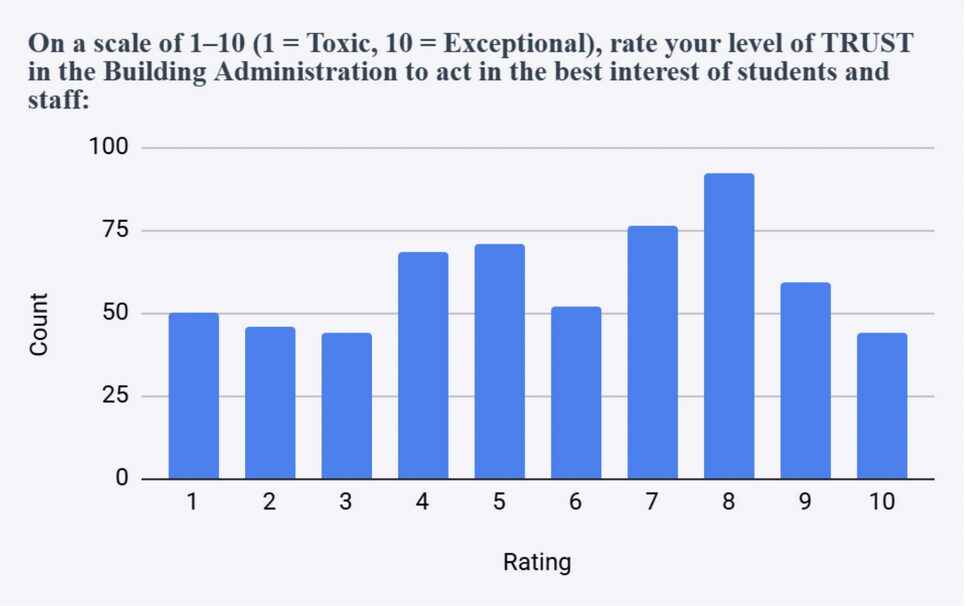
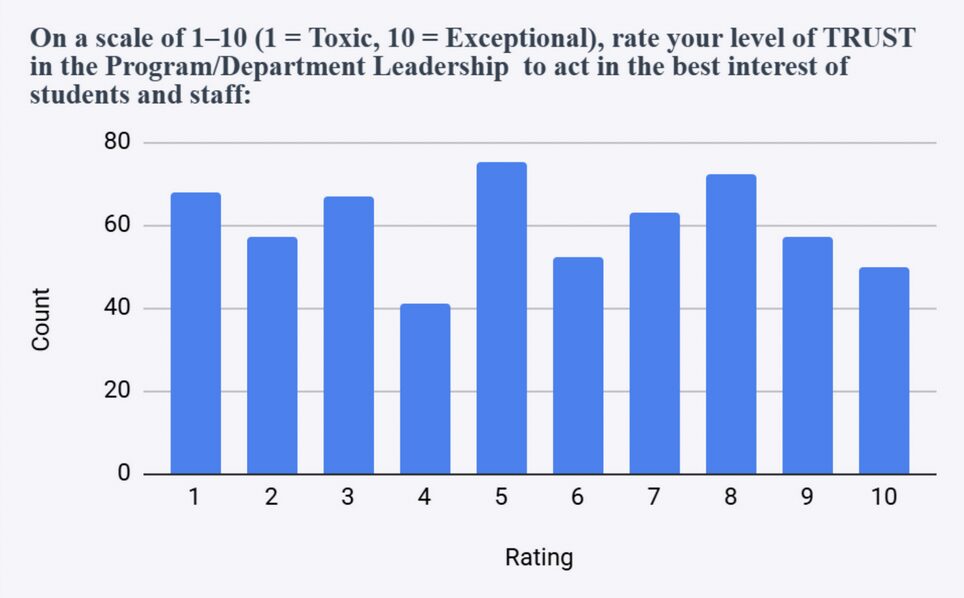
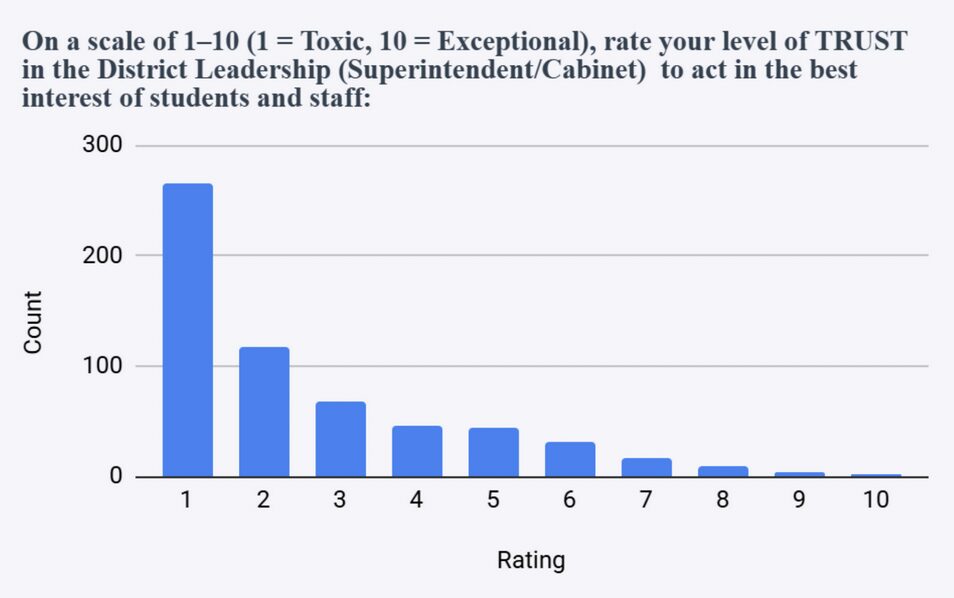
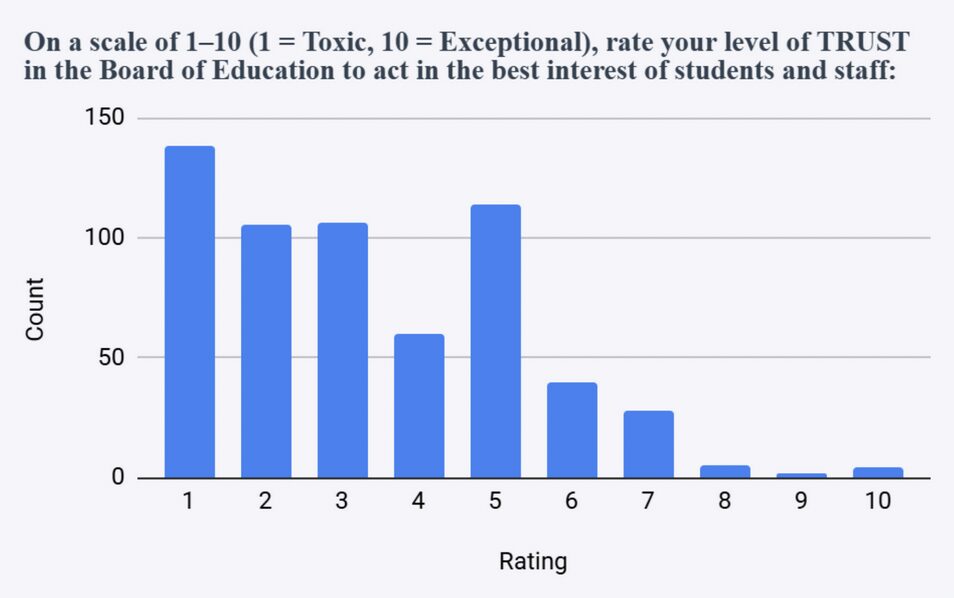
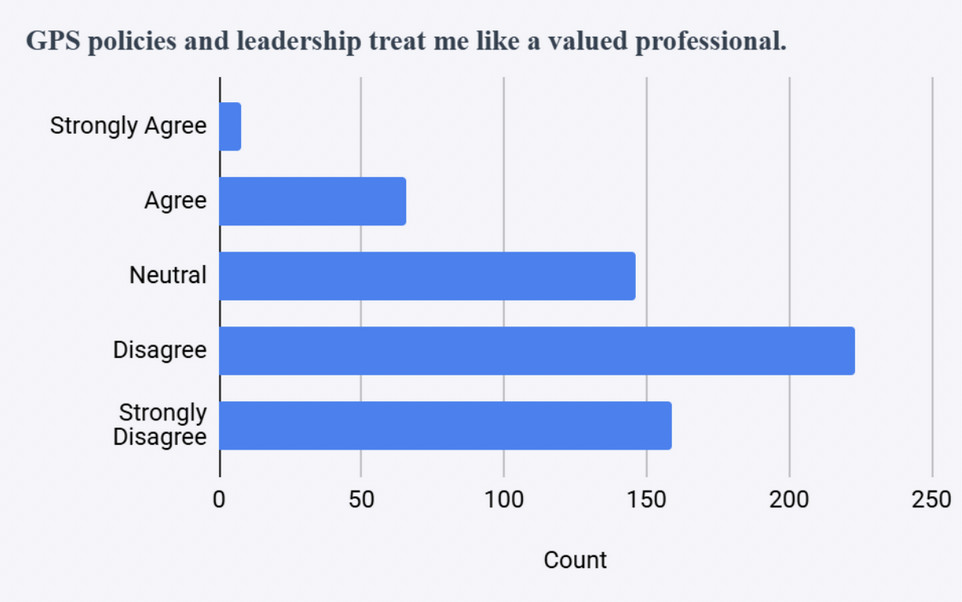
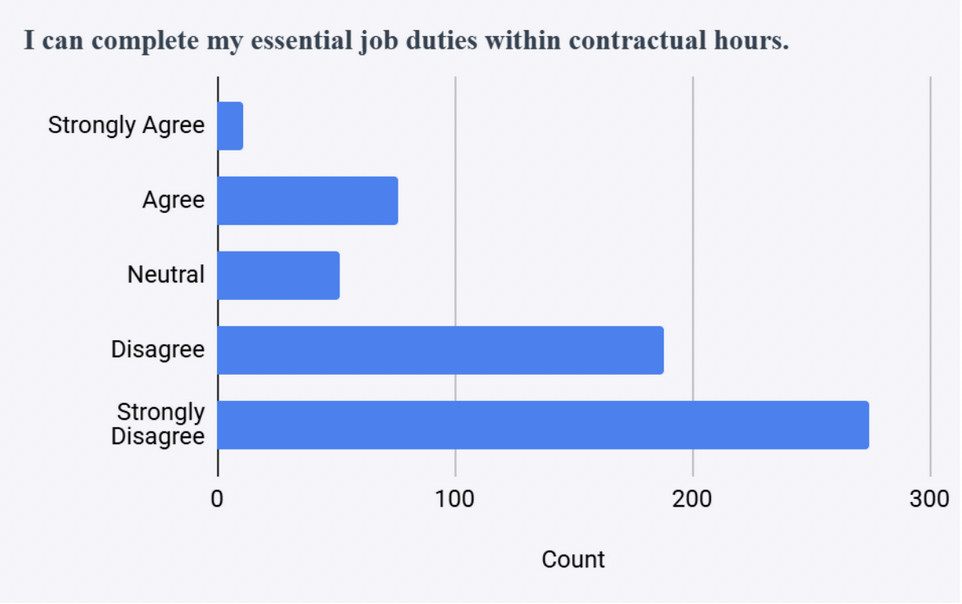
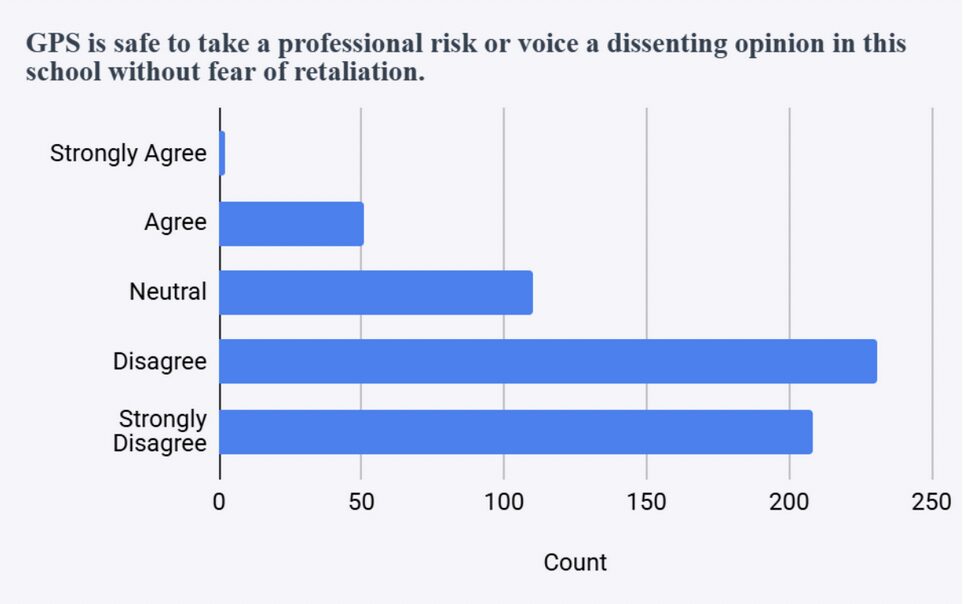
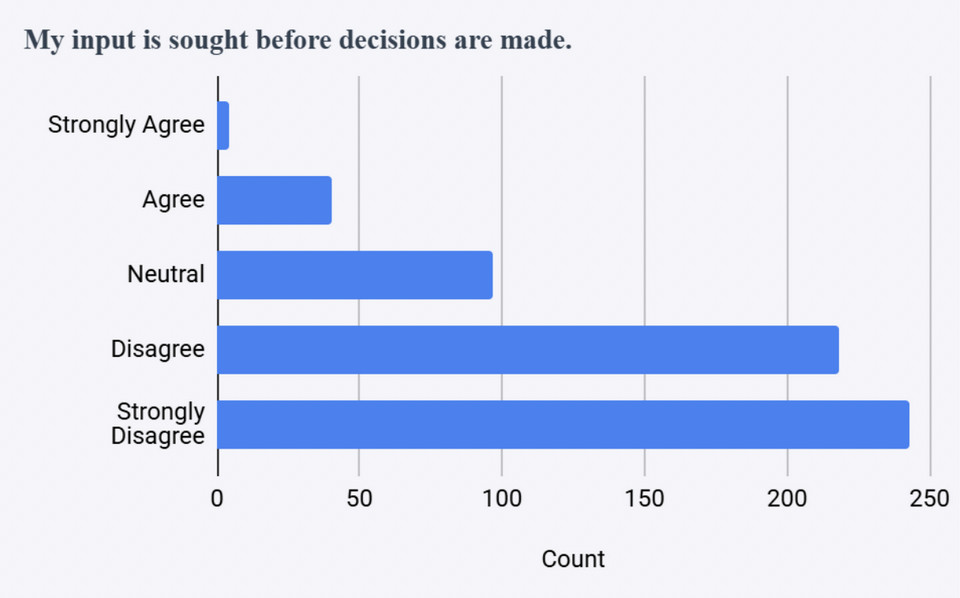
This spring, more than 600 Greenwich educators participated in a teacher morale survey. The results were difficult, but clear. More than 90% of respondents reported that morale has declined during their time in Greenwich Public Schools. Teachers identified district-level leadership, lack of trust, lack of professional voice, and unsustainable workloads as primary contributors. They also reported feeling increasingly excluded from decisions that directly affect teaching and learning.
The Greenwich Education Association shared these findings not to create conflict, but to begin a conversation. We hoped the data would serve as a starting point for meaningful dialogue between educators, district leadership, and the Board of Education.
Instead, we have been met with silence.
Following last summer’s teacher contract negotiations, commitments were made by the Board of Education to engage with educators regarding morale and trust. Public statements were made acknowledging the importance of these discussions. Yet despite the survey findings and repeated requests for engagement, those conversations have not occurred.
The irony is difficult to ignore.
The Board of Education routinely speaks about the importance of stakeholder input, collaboration, transparency, and community engagement. Yet when over 600 educators provide direct feedback about the conditions affecting morale, trust, retention, and professional culture, there appears to be little interest in hearing more.
This matters because schools do not succeed because of strategic plans, budget presentations, or public relations campaigns. Schools succeed because educators show up every day and do the inspirational work of teaching children.
Greenwich’s strong academic performance is often cited as evidence that district leadership is moving in the right direction. But those results belong first and foremost to the students, teachers, support staff, and school-based leaders who make thousands of instructional decisions every day.
A district cannot sustain excellence indefinitely while ignoring the experiences of the professionals responsible for achieving it.
The issue before us is larger than any one individual. It is about trust. It is about whether educators are viewed as partners in the work of improving schools or simply as people expected to implement decisions made elsewhere.
The survey results tell a story. The Board’s willingness—or unwillingness—to engage with those results will tell another.
The educators of Greenwich have spoken. The community deserves to know whether their elected Board of Education is willing to listen.
Sincerely,
Margaret Jackins
President, Greenwich Education Association
GEA Executive Board:
Melissa D’Amato, VP of Elementary
Lori Mulligan, VP of Secondary
Jessica Punchatz, VP of Membership
Chrissy Distel, VP of Communication
Peter Watson, GEA Treasurer
Steve Farnum, GEA Secretary
Rich Kahn, PR&R Chair
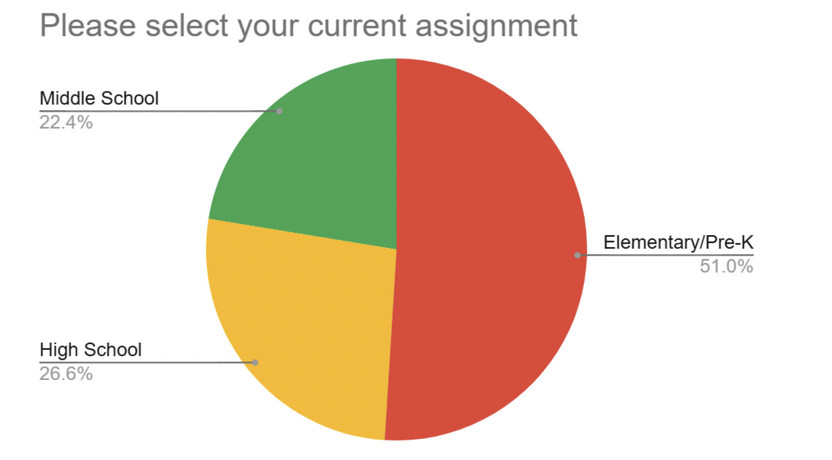
Survey results reflect 602 GEA members that responded to the survey.
Part I.
Part II
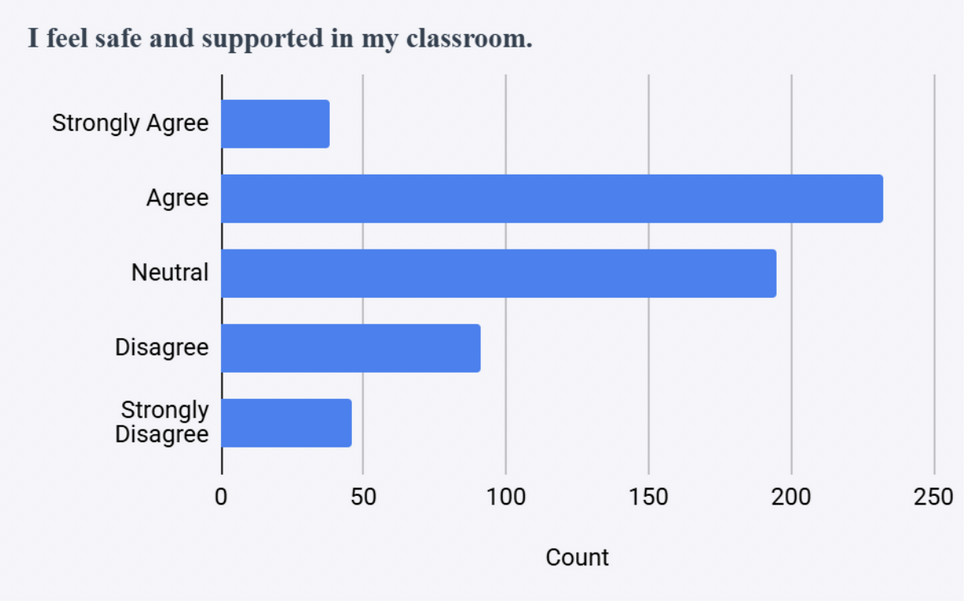
*This question was intended to speak towards physical safety and building based support.