Submitted by Andrew R. Melillo, 12th-generation Connecticut resident by his Yankee bloodline, and 5th-generation resident by his Italian bloodline.
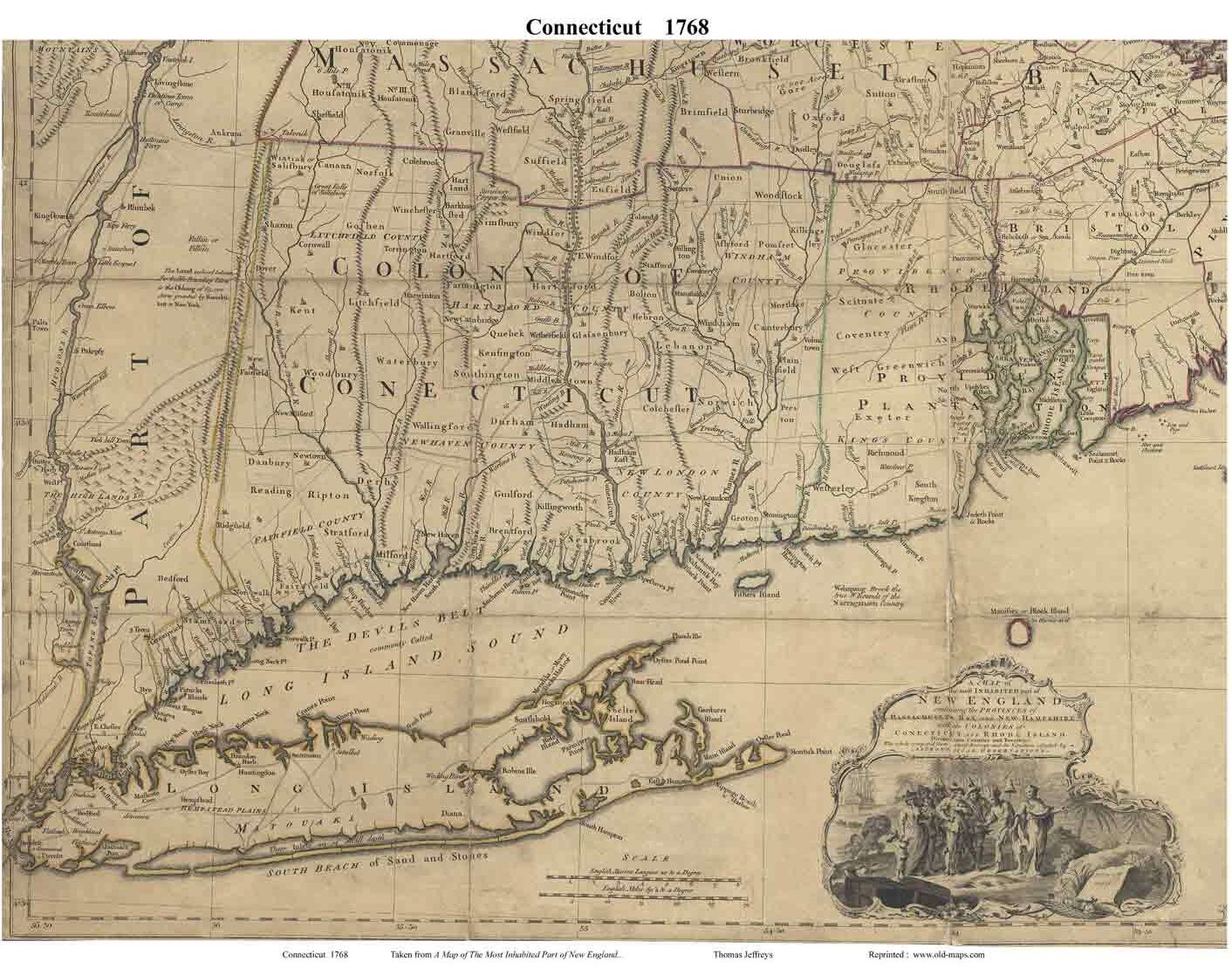
Connecticut is the land of steady habits, and lately, there is no steadier habit here than a bad idea that refuses to die — returning each season a little larger. Alas, so it is with the Long Island Sound crossing. Stephen Shapiro, the Easton housing developer, is back, expanding his vision of a bridge from Bridgeport to Suffolk County and now gilding it with a tunnel and a fresh batch of AI renderings. (Shapiro’s Folly: Part Deux – The Bridge that Won’t Die June 24, 2026) Fourteen miles, he says; or eighteen, as he said this week. Fifty billion dollars, he says, as casually as another man names the price of lunch. The Sound has spent ten thousand years keeping Long Island at a civilized arm’s length, and Mr. Shapiro proposes, for the cost of a small war, to undo the work of the last Ice Age.
One is entitled to question the soundness of the scheme — and of the judgment behind it. What manner of mind regards the Long Island Sound as a clerical error to be corrected at fifty billion dollars? By the public record Mr. Shapiro is neither bridge engineer nor transportation planner.
He develops the typical affordable housing schemes — the man who has peppered our towns with the architectural poetry of the jam-them-in shoe boxes — and he now seeks to graduate from land to great maritime ventures. The Regional Plan Association, which has labored in this field for a century, dismisses his price as pure fantasy. The Department of Transportation says flatly that it has never vetted the thing. The MTA never troubled to place it in its twenty-year plan. The Governor has waved it away. Every sober authority in the building has said no, and still the proposal advances — which is the surest sign that it was never truly about transportation at all.
And who is this Shapiro, that he should want it so badly? We know him by his building record; we do not know what private hunger drives a developer with no engineering credential to keep exhuming a crossing that has been proposed, studied, and buried for generations. His own pictures cannot keep their story straight: a sleek express train streaks across the deck in the renderings, while the captions quietly downgrade it to “light rail.” He promises one hundred thousand automobiles a day at a thirty-nine-dollar toll — this for a route whose existing ferry carries some fourteen hundred vehicles a day at twice the fare. These are not estimates. They are wishes dressed up in the costume of arithmetic and sent out to be photoshopped.
Behold, too, the chorus assembled at the Capitol to sing the bridge’s praises: a former mayor turned union lobbyist who likened the project to landing a man on the moon (hogwash); a college student who would enjoy a shorter ride home; a disc jockey; a legislator from West Haven dreaming of Long Islanders sunning on his beaches. Not one transportation expert among them.
Not one soul from Bridgeport itself — the very city to be impaled upon the structure. The bill to merely study the notion, House Bill 5320, died in committee, as such bills mercifully do, and the only honest question remaining is why a single taxpayer dollar should chase a study that was dead on arrival when we cannot properly fund the trains and buses we already own.
The old Yankee is a vanishing figure in this state. He no longer dominates Connecticut; the towns he founded have long since been filled with Johnny-come-lately’s, and his Congregational severity has softened into faint, distant memory. But his heirs have retained at least one piece of their inheritance intact — the nose. A Yankee can smell a bad idea when it has piled high enough, and this one, heaped to the altitude of a fifty-billion-dollar span, reeks to the heavens.
We were bred to distrust the grand gesture, to mend the thing we have before lusting after the thing we have not, and above all to suspect any man who appears to need the Sound bridged more urgently than the public does.
For the true objection is not merely fiscal. It is civil, and verges on the theological. New England is a place, not a postal abbreviation. Her strength is precisely her difference — the ancient town meeting, the flinty conscience, three centuries of distinct habit and heritage — and that difference has been preserved, providentially, by water. The Sound is not an inconvenience the Almighty forgot to drain. It is a moat, and it has kept New England, New England. To bridge it is to breach it, and to breach it is to invite the leveling tide of everything that lies to the south to come pouring across at thirty-nine dollars a carload. No, thank you.
Therefore, let us name the bridge’s real price. If the men of fantasy numbers will not be reasoned out of their dream, let them be confronted with its true and immovable cost. Let it be written into law as the absolute precondition of any bridge or tunnel across Long Island Sound that, upon the day the first span is bonded, the two free counties of the Island — Nassau and Suffolk — be annexed, wholly and permanently, into the sovereign territory of the State of Connecticut.
This is no idle provocation; it is restitution, and the record is long and clear. Long Island was New England before it was ever New York. The patent granted to the Earl of Stirling in 1635 embraced the Island entire, and that interest passed by mortgage into the hands of George Fenwick of Saybrook, a Connecticut-venturing man. The Treaty of Hartford of 1650 divided the Island near Oyster Bay and assigned its eastern half to Connecticut. The Royal Charter borne home by Governor John Winthrop the younger in 1662 bounded this colony “south by the sea,” and was justly read to gather in the islands off our shore — under which charter Connecticut governed Southold, Southampton, and East Hampton, towns peopled from Lynn and from New Haven, Yankee to their very marrow. Only in March of 1664 did King Charles II convey the same ground to his brother, the most royal of royalist princes, James, Duke of York; and only by the commissioners’ so-called agreement of December 1664 — a paper that named Long Island in the Duke’s grant alone, and to which Connecticut, as the weaker party, merely submitted — was the Island carried off into New York’s keeping. When the Dutch briefly returned in 1673, the towns of the East End turned back toward Connecticut and begged to be received again. The
annexation here demanded would seize no foreign soil. It would repatriate a New England estate held in adverse possession for three hundred and sixty years by a King who was forced from his throne.
Let that, and nothing less, be the toll. The bridge’s champions adore a feasibility study; here is the only feasibility that signifies. A span that severs the God-given barrier between New England and the rest may be suffered on exactly one condition — that the land on the farther shore be made New England too. Admit Nassau and Suffolk as Connecticut counties, sending their senators to Hartford, schooling their children beneath the Connecticut constitution, and flying our colors over Montauk, and the moat is not breached at all but merely lengthened; the family sundered by a Stuart king’s signature is at last made whole. Bridge the Sound, and you must annex the Island. That is the price. Let Mr. Shapiro and hist fantastical dreams render it.
Until that day, the answer from every sound-minded heir of the Yankee republic is the old one, delivered with a adamant smile: no, thank you. Fund the trains we have. Keep the water where Providence put it. And let the bridge that will not die lie down, at long last, sleep the eternal, quiet sleep of death.