In good news for Greenwich, a new website shares thousands of Greenwich Health Dept restaurant inspections.
The website is Greenwich Dining Record.
Alongside restaurants, the list includes school, club and hotel kitchens, as well as markets and delis, since the town licenses all food service.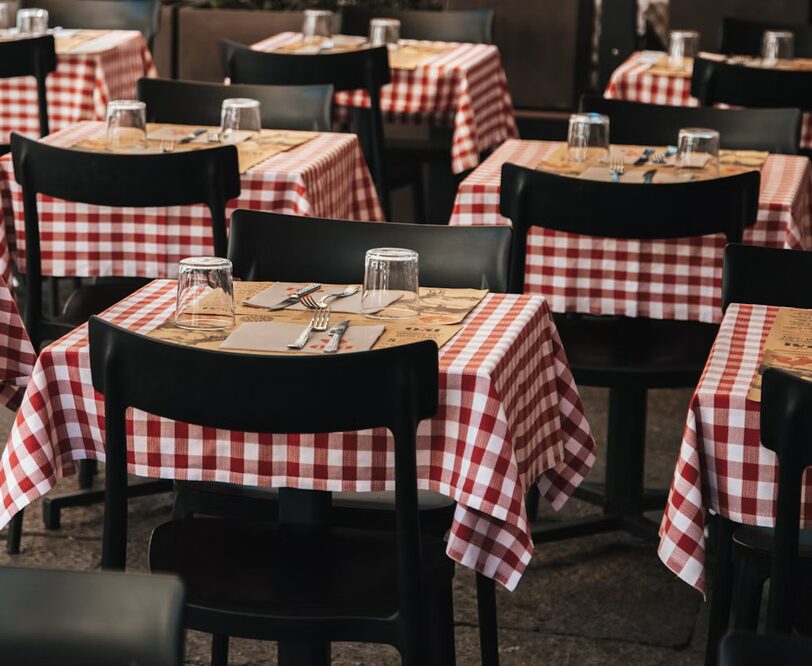
In fact, the website editor compiled 1800 scanned PDFs and continuously updates the website.
Fun facts! Half of the restaurant inspections Greenwich Health Dept has conducted since 2023 found nothing wrong.
Forty-one percent found at least one violation of the kind tied directly to foodborne illness.
In the past residents have had no way to know which eatery was which, because the records existed only as 1,833 scanned forms in the Health Department filing system.
Until now.
A longtime Greenwich resident who enjoys dining out created Greenwich Dining Record. The website is easy to navigate and features all the inspections since 2023.
He points out that the data originated from public information and our tax dollars pay for the Health Dept inspections.
“I send a big thank you to the Health Dept for all they do,” he said when reached by phone. While the founder/editors name is not on the website, we know who he is and he tells us the Health Dept has seen the website. He is reachable by email at [email protected].
The site is free, carries no advertising, and no restaurant can sponsor it.
The Greenwich Dining Record features 387 establishments, 1,733 inspections, every violation, each establishment’s full history on one page, and a map of the town.
Since Greenwich Dining Record is a reproduction of the public record, not a rating, there are no grades.
Every violation was checked against the tally the inspector wrote on the form. The few that don’t reconcile are labeled and kept out of the ranked lists, and each violation carries a plain-language line saying what it means.
The most common violation in Greenwich is not a dirty kitchen. It’s worn or unclean food-contact surfaces (248 citations), unlabeled containers (209) and food held above safe cold temperature (166). Twelve percent of all violations were fixed before the inspector left the building.
Of open establishments, 43% had nothing cited at their most recent inspection.
The Lists
At the top left corner of the home page, the Lists appear between Directory and Map.
Lists include Most Priority Violations, Cleanest Records, Most Improved and Declining Records.
An article on on Greenwich Dining Record titled, “Does publishing inspection records improve food safety?” is worth reading. It cites research showing that restaurants do respond to disclosure of inspection records and food safety increases.
In New York City a restaurant letter-grading program was introduced by the Health Dept in July 2010. Inspection grades feature a blue A, a green B, or an orange-red C printed on 8 x 10-inch placards that the NYC Health Dept requires to be prominently posted near the main entrance or window where passersby can easily see them.
One study of the New York City letter-grading program evaluated its impact on restaurant hygiene, food safety practices, and public awareness.
The study, published in the National Library of Medicine, concluded the program resulted in improved sanitary conditions on unannounced inspection.
According to the study, “Before letter grading, the Health Department aimed to inspect restaurants at least once per year and imposed monetary fines for violations cited at inspections. Inspection results were available on the Health Department website. However, financial disincentives and the website posting were insufficient to drive improvements across the industry, with most restaurants cited for multiple public health hazards.”
The premise behind Greenwich Dining Record is that sharing inspection information in an easy to navigate format will not only encourage restaurants to improve and prepare for inspections, but also make it easier for people decide where to eat.
In fact Greenwich Dining Record’s tagline is “Know Before You Dine.”