The National Fish and Wildlife Foundation and partners on Tuesday announced nearly $12 million in grants to organizations and local governments to improve the health of Long Island Sound and its wildlife populations.
The grants will leverage more than $8 million in matching contributions from the grantees themselves, resulting in more than $20 million in total conservation impact for projects in Connecticut, Massachusetts, New Hampshire, New York and Vermont.
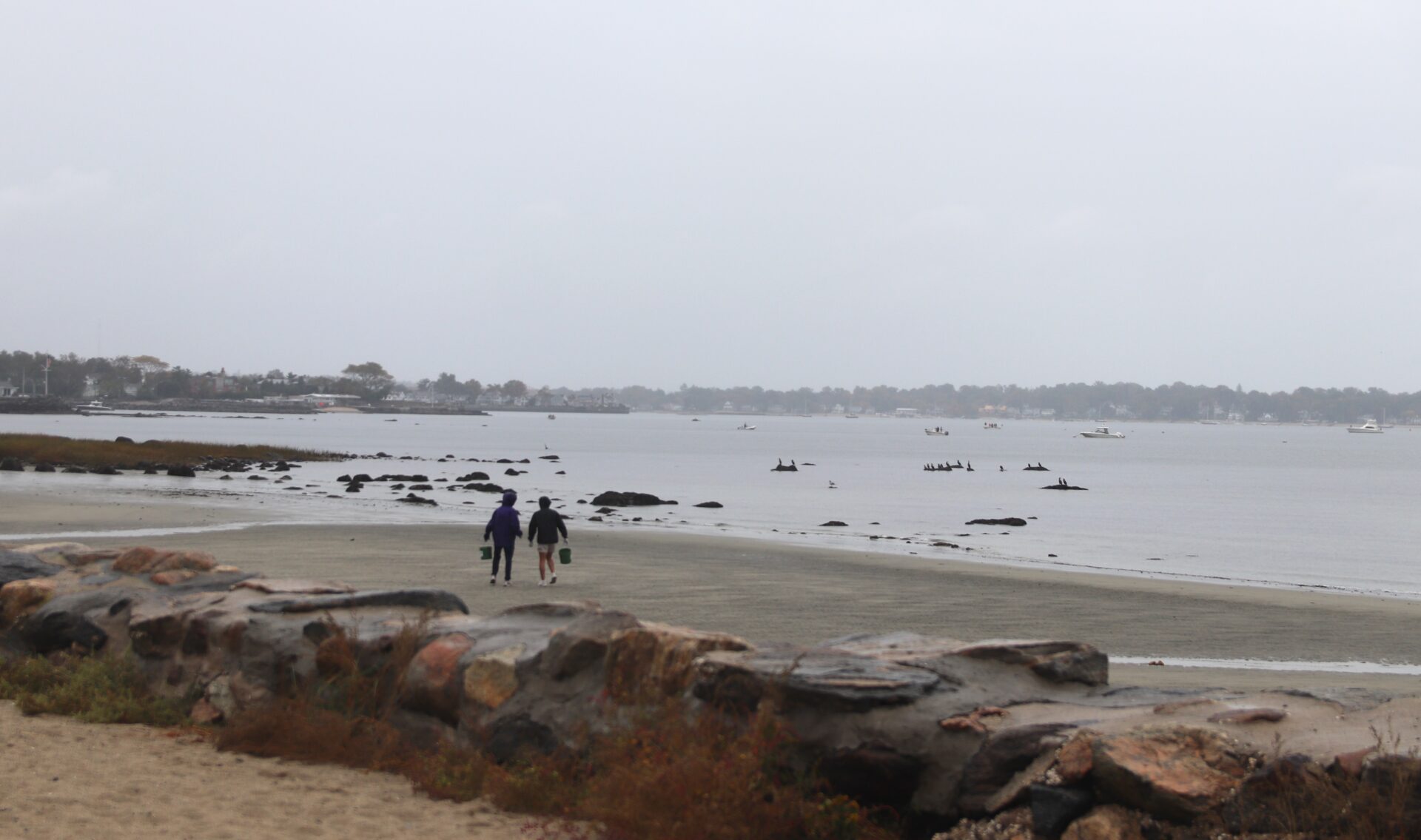
The 2025 Long Island Sound Futures Fund (Futures Fund) grants will support projects that:
- Prevent 618,934 gallons of stormwater and 2,996 pounds of nitrogen pollution from entering the Long Island Sound
- Remove 161,250 pounds of marine debris
- Restore 70 acres of coastal habitat
- Engage more than 300,000 people through programs that promote stewardship of the Sound
- Conserve and enhance habitats for shorebirds, songbirds, diamondback terrapins, native pollinators and other wildlife
- Restore fish passage for brook trout and migratory aquatic species such as alewives, blueback herring, shad and eel
- Launch new oyster restoration efforts
Funding for the grant program comes from the U.S. Environmental Protection Agency (EPA) as part of the Long Island Sound Partnership (LISP), with additional support from The National Fish and Wildlife Foundation and The Zoetis Foundation.
“Estuaries and their surrounding lands and waters represent some of the most productive wildlife habitats and most economically important areas in the world,” said Jeff Trandahl, executive director and CEO of The National Fish and Wildlife Foundation. “The Long Island Sound is the second-largest estuary on the East Coast and one of North America’s most biologically diverse estuaries. Its watershed stretches 16,820 square miles across five states, with more than 16,000 miles of rivers feeding fresh water into the sound.
“Sustaining the health of Long Island Sound benefits a wondrous assortment of wildlife while also ensuring prosperity for thousands of communities, large and small.”
The LISP initiated the Futures Fund in 2005 through EPA’s Long Island Sound Office and The National Fish and Wildlife Foundation. The grant program has a strong history of making environmental improvements by supporting people and communities who value the Sound and take a direct role in its future.
Since its inception, the Futures Fund has invested $68 million in 688 projects. The program has generated an additional $87 million in grantee-matching contributions toward these projects, bringing the total conservation impact to $167 million. The projects have reduced 130,000 pounds of nitrogen from entering the Sound, restored 862 acres of fish and wildlife habitat, treated 212 million gallons of stormwater pollution and engaged 5 million people in protecting and restoring the Sound.
“This year’s Futures Fund projects will support water quality improvements, habitat restoration and other critical efforts across the watershed that are vital to protecting Long Island Sound,” said EPA New England Regional Administrator Mark Sanborn. “Long Island Sound is a national treasure, and this funding exemplifies EPA’s commitment to supporting the economic and recreational benefits the Sound offers to millions of people.”
“EPA is proud to support conservation and restoration efforts in the Long Island Sound, working alongside our state and local partners,” said EPA Region 2 Administrator Michael Martucci. “These practical projects not only preserve vital ecosystems but also help build a legacy of environmental stewardship for future generations.”
“The Connecticut Department of Energy and Environmental Protection (CT DEEP) stands proudly with the Long Island Sound Partnership and the National Fish and Wildlife Foundation in welcoming another year of impactful Futures Fund projects across the Long Island Sound Watershed,” CT DEEP Commissioner Katie Dykes said. “In Connecticut, eleven distinct NGOs took home a total of 12 awards (Save the Sound was awarded two!) for projects ranging from riparian buffers to fish passage restoration, hands-on science programs to salt marsh restoration, and a green roof. These are just a few of the ways that today’s grantees are embracing this funding opportunity to further the health of our resources and residents across the Long Island Sound Watershed.”
New York State Dept of Environmental Conservation (DEC) Commissioner Amanda Lefton said, “DEC is committed to protecting Long Island Sound, one of New York’s most important natural resources, a vital economic engine and a place cherished by communities along its shores. The Futures Fund supports projects that strengthen the Sound’s ecosystem by improving water quality, restoring habitats, and encouraging local stewardship, while reflecting a shared commitment with our partners at EPA, NFWF and Connecticut DEEP. DEC applauds the awardees for the meaningful benefits their work will deliver.”
A complete list of the 2025 grants made through the Long Island Sound Futures Fund is available here.
See a list of quotes from elected officials about today’s grant announcement here.
To learn more, please visit the The National Fish and Wildlife FoundationLong Island Sound Futures Fund website.
Long Island Sound is an estuary that provides economic and recreational benefits to millions of people while also providing habitat for more than 1,200 invertebrates, 170 species of fish and dozens of species of migratory birds. The grant projects contribute to a healthier Long Island Sound for everyone, from nearby area residents to those at the furthest reaches of the Sound. All 9 million people who live, work, and play in the watershed impacting the Sound can benefit from and help build on the progress that has already been made.
About the National Fish and Wildlife Foundation
Chartered by Congress in 1984, NFWF has grown to become the nation’s largest conservation foundation. NFWF works with the public and private sectors to sustain, restore and enhance the nation’s fish, wildlife, plants and habitats for current and future generations. Since its founding, NFWF has supported more than 7,000 grantee organizations and funded over 23,300 projects that have generated a total conservation impact of $11.3 billion. Learn more at nfwf.org.
About the U.S. Environmental Protection Agency Grants
Every year, EPA awards more than $4 billion in funding for grants and other assistance agreements. From small non-profit organizations to large state governments, EPA works to help many visionary organizations achieve their environmental goals. With countless success stories over the years, EPA grants remain a chief tool to protect human health and the environment. Follow EPA Region 1 (New England) on X and visit our Facebook page. For more information about EPA Region 1, visit the website.
About the Long Island Sound Partnership
The Long Island Sound Partnership, developed under the EPA’s National Estuary Program, is a cooperative effort between the EPA and the states of Connecticut and New York to protect and restore the Sound and its ecosystem. To learn more about the Long Island Sound Partnership, visit the website.