By Ali Ghiorse & Karen Saggese, Co-Directors of Greenwich Food Alliance
Alongside fellow food security advocates, we attended a press conference at CT Foodshare, where Senators Richard Blumenthal and Chris Murphy addressed the sudden termination of two vital USDA programs: the Local Food Purchase Assistance Cooperative Agreement Program (LFPA) and the Local Food For Schools Cooperative Agreement Program (LFSP).


These critical programs allowed food banks and schools to source food from local small farmers, strengthening both community food access and local agriculture.
To bolster local food supply chains during the COVID-19 pandemic, the Biden administration launched this pair of USDA programs. In 2021, leveraging American Rescue Plan funding, the USDA distributed $1 billion in grants to states, enabling school districts, food banks, and distribution hubs nationwide to purchase produce, meat, dairy, and other minimally processed foods directly from over 8,000 local farmers. These programs essentially provided small, diversified farms with direct market access to community institutions.
The LFPA and LFSP initiatives not only fortified regional supply chains and fostered crucial stakeholder partnerships, but also improved the health and well-being of all students and food insecure families. Furthermore, they injected vital financial capital into small farming enterprises. This nationwide investment of hundreds of millions of dollars yielded significant positive outcomes for community health and local food economies, reflecting a strategically sound policy approach.
Recognizing the programs’ success, President Biden allocated $1.1 billion in late 2024 to extend their reach and continue to build resiliency within local food systems. Farmers, school food service directors, and food banks, having established strong connections with food hubs, eagerly anticipated this continuation, with farmers already having invested in seeds and planting.
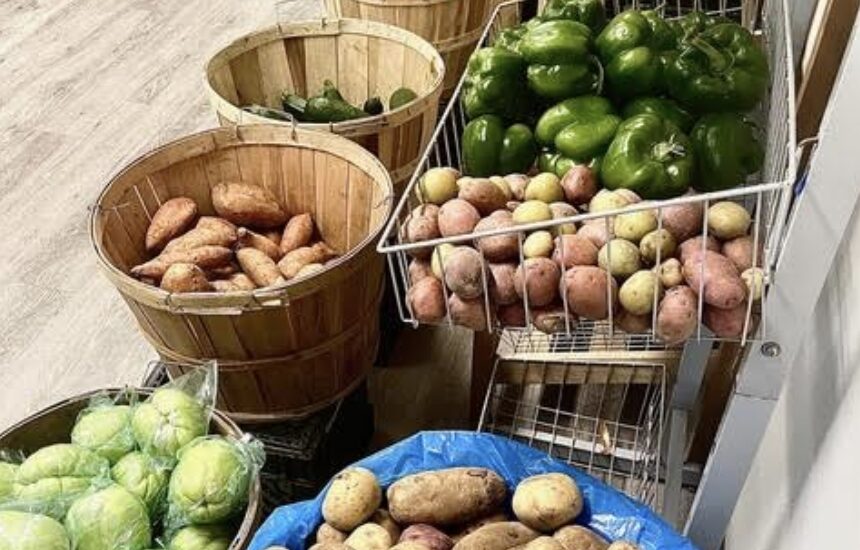
State agencies nationwide, including those in Connecticut, received notification on March 7, 2025, that the $1.1 billion second funding round for the LFPA and LFSP programs had been terminated due to a shift in priorities and cost-saving efforts, diverging from the previous administration’s objectives.
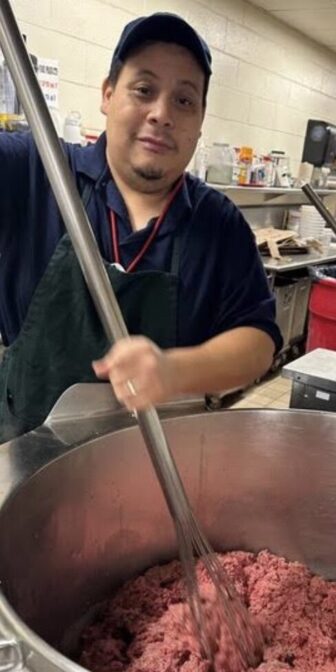
“Let’s be clear,” said Renee Giroux, farmer and founder of the Northwest CT Food Hub, who spoke on behalf of small Connecticut farmers at the press conference, “This isn’t just about numbers. It’s about real people, real farms, and real families. At a time when food insecurity is rising and local farms are struggling to survive, we should be strengthening programs like LFPA and LFSP, not cutting them. Local food production and direct distribution to the local community is good for our health, economy and environment.”
The cancellation’s repercussions for Connecticut, and Greenwich, are significant: $10 million in LFPA funding alone, that would have continued to strengthen local agriculture, student resources, and food security initiatives, will no longer be available.
Let’s break down the numbers:
The Local Food Purchase Assistance Cooperative Agreement Program (LFPA) aimed to connect Connecticut farms directly with food pantries. From 2023 to 2025, the CT Department of Agriculture received $6.7 million from the USDA for this initiative. CT Foodshare, a key partner, received $3 million initially and was slated to receive an additional $1 million before the program’s cancellation.
This funding enabled them to supply fresh produce from local farms to pantries statewide, including Greenwich’s Neighbor To Neighbor, which offered clients healthy vegetables like lettuce, beets, carrots, and squash.
“Neighbor to Neighbor recognizes that many of our clients face limited access to locally grown produce, which significantly impacts their nutrition and well-being. By stepping in to fill this gap, we ensure that all individuals have the opportunity to access fresh, healthy food that is essential for a thriving community,” Executive Director, K. Brent Hill said.
The Local Food for Schools Cooperative Agreement Program (LFSP), designed to bring local farm products to schools, provided the Connecticut Department of Education with $1.873 million from the USDA between 2022 and 2025. Prior to its cancellation, an additional $5.6 million was planned. This second round of funding included $4.6 million for K-12 schools and $1 million for early childhood education centers.
Since January 2025, Greenwich Public Schools has received a total of $44,000 through this program, enabling them to source products through the Northwest CT Food Hub.
Greenwich Schools Food Service Director, Martha Ramkellawan said, “LFSP has been instrumental in strengthening our partnership with the Northwest Connecticut Food Hub, allowing Greenwich Public Schools to bring locally sourced, high-quality products to our students’ meals. This initiative has not only deepened our relationship with local farmers but has also provided our students with fresh, nutritious ingredients that support both their well-being and our community’s agricultural economy. By integrating local foods into our school meals, we are giving students the opportunity to experience the flavors of their region while fostering a deeper connection to where their food comes from. The
cancellation of this funding threatens to undo the progress we have made in creating a more sustainable and nourishing food program for our schools.”
We have to ask ourselves, what could possibly be a higher priority than ensuring students and those facing food insecurity have access to nutritious food, while simultaneously supporting the economic health of Connecticut’s small farms?
As local leaders, deeply invested in a just, regenerative and resilient food system, we ask for your help.
Contact your federal representatives immediately. Urge them to demand that the USDA reinstate funding for the Local Food Purchase Assistance Program (LFPA) and the Local Food for Schools Program (LFSP).
Contact your Greenwich delegation immediately. Urge them to support H.B. 7013, “An Act Concerning Enhancements To The Local Food For Schools Incentive Program And The CT Grown For CT Kids Grant Program,” currently under consideration. This bill strengthens our state’s local food incentive program and ensures continued funding for farm-to-school initiatives through the CT Grown for CT Kids Grant Program.
These programs are proven to work. Please support them.
Ali Ghiorse and Karen Saggese co-direct Greenwich Food Alliance, a program of The Foodshed Network, that advances Greenwich’s food security initiatives by strengthening & leveraging relationships, knowledge and networks. Learn more here.