Greenwich Historical Society Presents Revolutionary War Archaeologist Dr. Kevin McBride for Lecture on New Discoveries from the Battle of Ridgefield.
The Greenwich Historical Society will welcome nationally recognized battlefield archaeologist Dr. Kevin McBride on Thursday, August 6, 2026, for a fascinating lecture exploring new archaeological discoveries that are reshaping our understanding of one of Connecticut’s most significant Revolutionary War engagements.
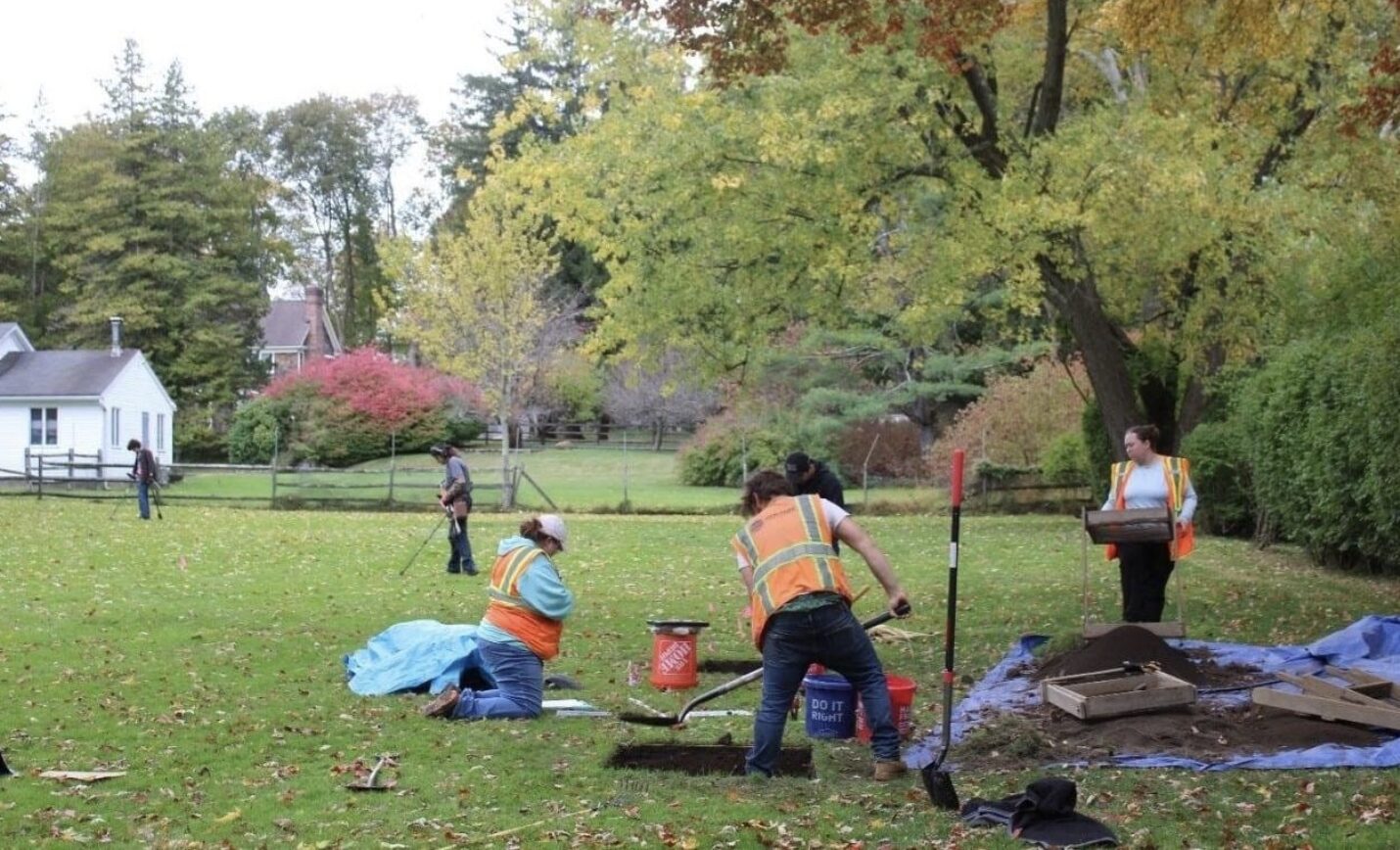
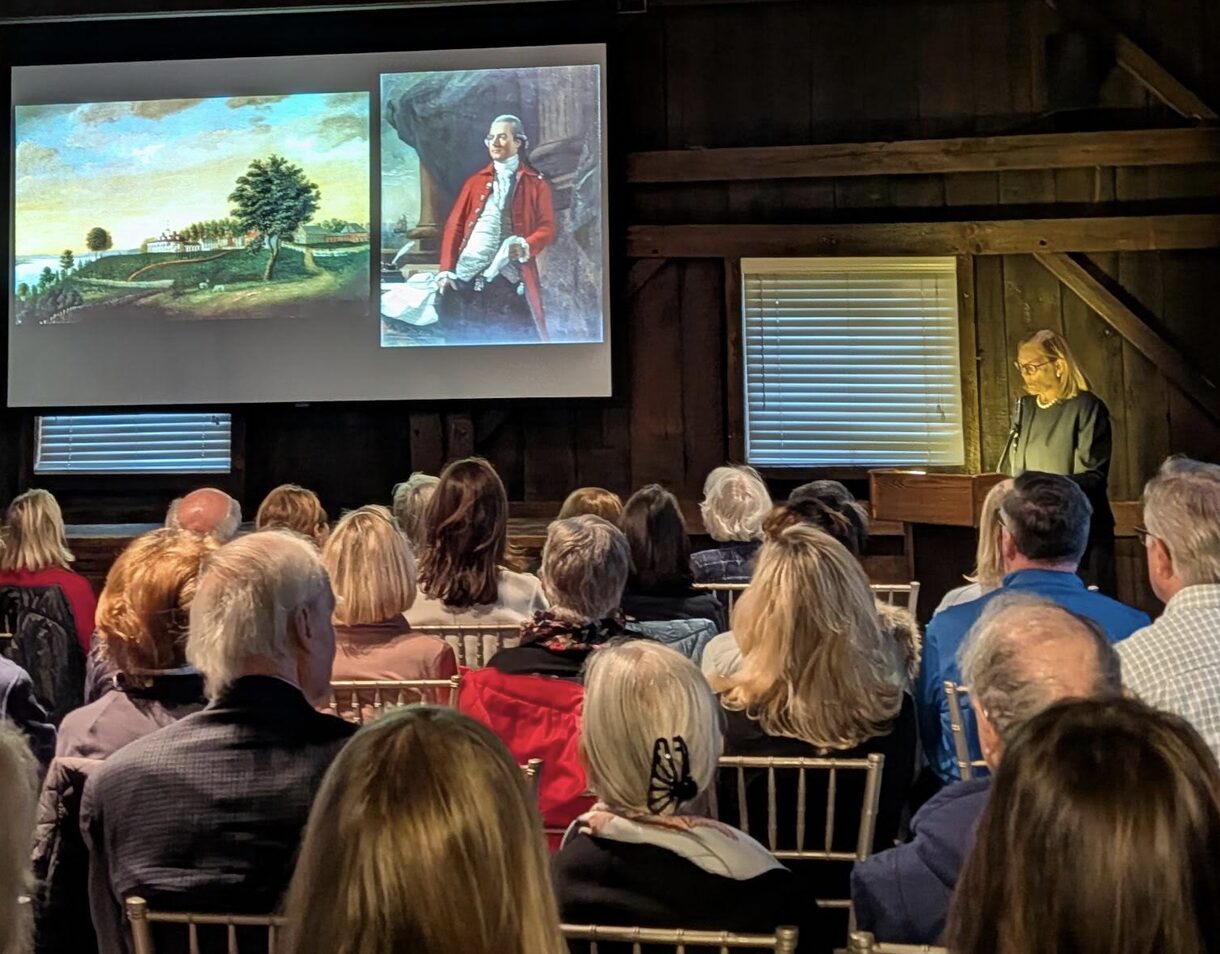
Part of the Historical Society’s ongoing America’s 250th Lecture Series, The Battle of Ridgefield, April 27, 1777 – An Archaeological Lecture with Dr. Kevin McBride will examine groundbreaking findings from recent archaeological investigations of the Battle of Ridgefield. The presentation begins at 6:30pm, with light bites provided by Grazing Charcuterie Bar and beverages available in the Museum Lobby from 5:30 to 6:30 p.m.
A question-and-answer session with the audience will follow the lecture.
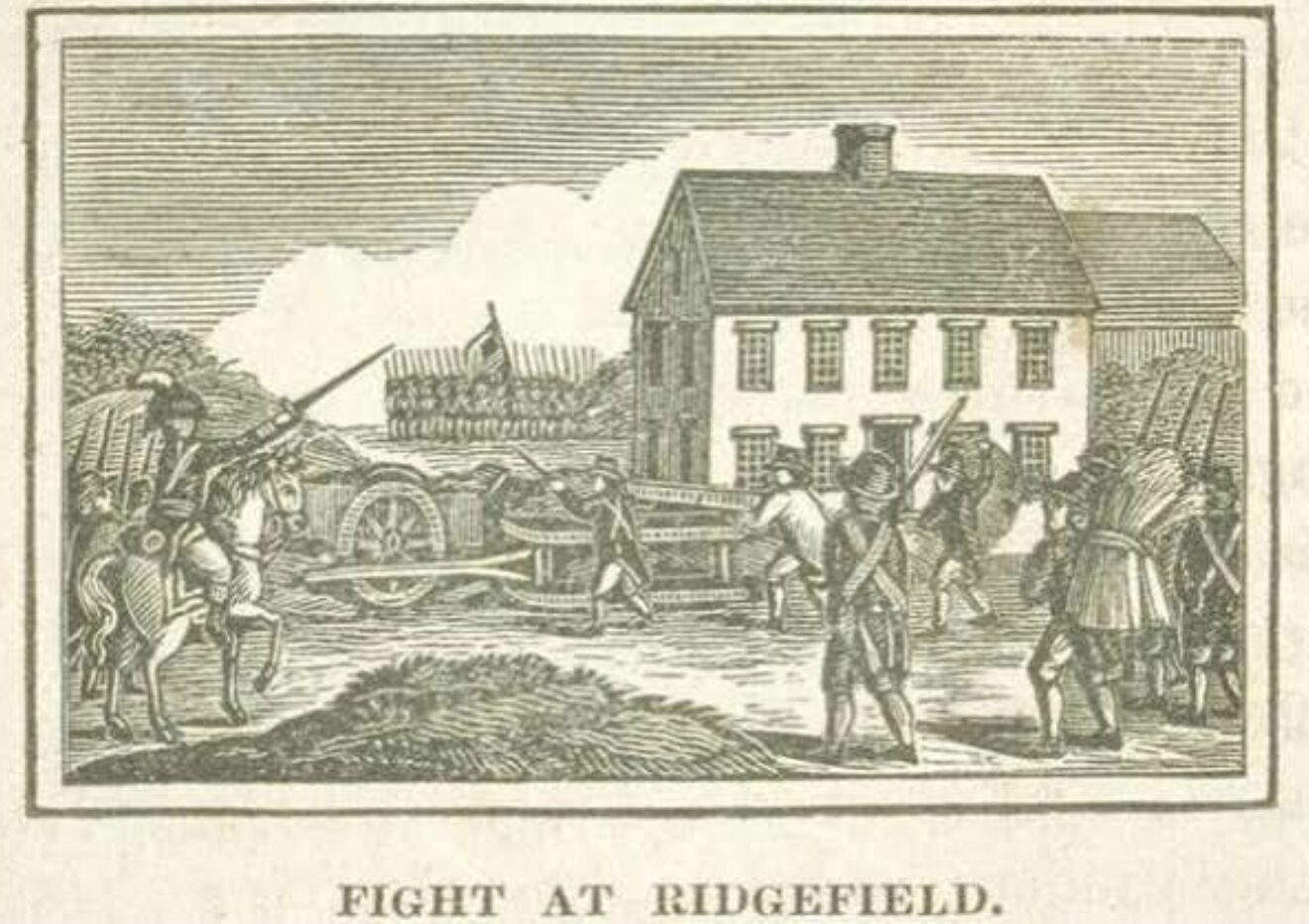
In the years leading up to America’s 250th anniversary, archaeologists have uncovered remarkable new evidence that deepens our understanding of the Battle of Ridgefield and its role in the Revolutionary War. As principal investigator for Heritage Consultants LLC, Dr. McBride has led the archaeological research sponsored by the Ridgefield Historical Society through a National Park Service American Battlefield Protection Program grant.
The Battle of Ridgefield followed the British raid on Danbury on April 26, 1777, when approximately 1,500 British soldiers under Major General William Tryon, joined by 300 Loyalists, marched inland to destroy Continental Army supplies. American forces led by Major General David Wooster, Brigadier General Gold Selleck Silliman, and Brigadier General Benedict Arnold mobilized to intercept the British, culminating in the only inland battle fought in Connecticut between American and British forces during the Revolutionary War.
During the lecture, Dr. McBride will share the team’s latest archaeological discoveries, including artifacts recovered from the battlefield and evidence that challenges long-held assumptions about the conflict. These findings offer fresh insight into one of Connecticut’s most important Revolutionary War sites and demonstrate how archaeology continues to enhance the historical record.
Dr. McBride is Associate Professor of Anthropology at the University of Connecticut and former Director of Research at the Mashantucket Pequot Museum and Research Center.
Throughout his distinguished career, he has conducted archaeological and historical research across New England, Block Island, Baja Mexico, the Caribbean, and Portugal. A leading authority on battlefield archaeology, he has directed investigations at more than 20 battlefields spanning the seventeenth through nineteenth centuries and has published extensively on Indigenous and Colonial archaeology, historical archaeology, underwater archaeology, and battlefield archaeology.
The Greenwich Historical Society’s America’s 250th Lecture Series brings leading scholars and experts together to explore the people, events, and ideas that have shaped American history over the past 250 years. Monthly presentations examine topics including archaeology, fashion, historic preservation, local and national history,
archives, and material culture.
Tickets are $55 for Greenwich Historical Society members and $60 for non-members.
For tickets and additional information, please contact Mercedes Arensberg at [email protected] or 203.869.6899 ext. 13, or visit The Greenwich
Historical Society.
The Greenwich Historical Society inspires people of all generations to discover, share, and preserve Greenwich history through world-class exhibitions, historic preservation, educational programs, and stewardship of its exceptional collections and campus.
Located on a three-acre site in Cos Cob, the Historical Society includes the National Historic Landmark Bush-Holley House, a state-of-the-art museum and library, archives, and changing exhibitions that bring the region’s rich history to life.